

Procedures
Browlift - Overview
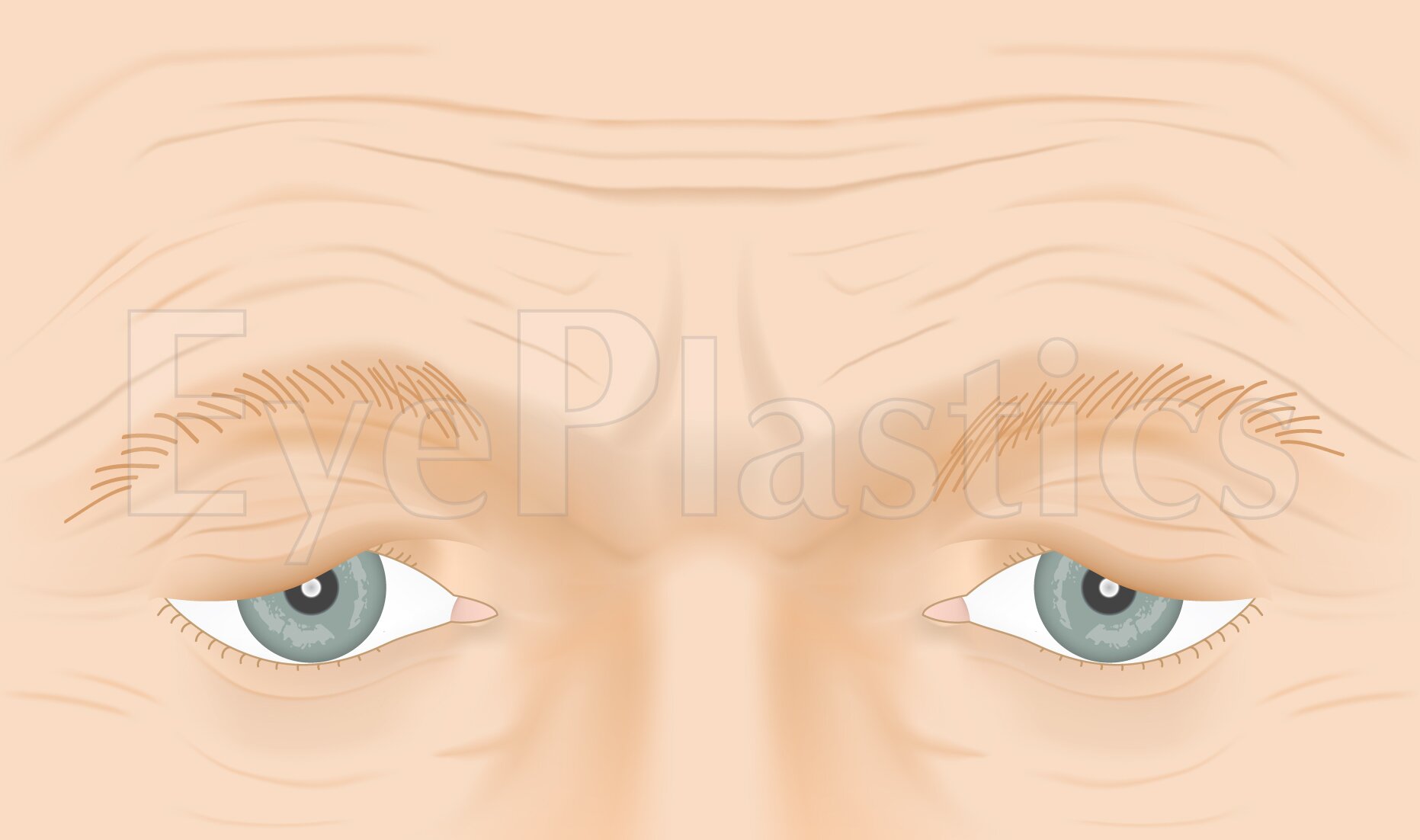
- A forehead lift, also known as a browlift or browplasty, is a cosmetic surgery procedure used to elevate a drooping eyebrow that may obstruct vision and/or to remove the deep worry lines that run across the forehead and may portray to others anger, sternness, hostility, fatigue or other unintended emotions
Why does the brow droop?
- Eyebrow ptosis is a result of gravitational and involutional changes that result in eyebrows that rest lower than their normal position.
- Other causes of brow ptosis include facial palsy, tumors, and asymmetry.
-
Patients may present complaining of difficulty with vision because of
- secondary dermatochalasis
- irritation of the eyes from lash ptosis (again caused by secondary dermatochalasis), or
- cosmetic concerns.
- Aging: The effects of aging lead the brow and forehead to fall due to the skin's loss of elasticity.
- Environmental: Sun, wind, and the pull of gravity all affect the face; Frown lines and wrinkles may develop across the forehead
What happens as the brow drops?
- Your expression may not reflect how you actually feel, you may appear tired or angry
- As a result, many people have opted for a procedure known as the forehead lift.
- Based on variations in how men and women age and on new advances in medical technology, different methods are used to perform this procedure.
|
Indications
|
|
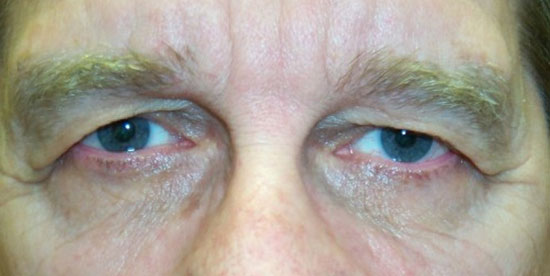
Should you consider a brow lift?
- Forehead lifts are an option if you have a sagging brow or deep furrows between the eyes.
- To predict the outcome, use your hands above your brows and on the edges of your eyes and lift the skin upwards while looking in a mirror.
Note the following:
|
|
When is the best age to consider this surgery?
- it usually done between age forty and sixty-five, although it may be necessary at an earlier age.
- Good health and realistic expectations are prerequisites.


