

Laser Resurfacing - Overview
.jpg)
Laser resurfacing
- The skin offers protection to all the body organs making it prone to damage from the sun, dirt, chemicals in the atmosphere and strong wind. Overtime, the skin changes and there is a reduction of collagen which then leads to formation of deep lines and wrinkles moderately around the eyes and mouth. Laser resurfacing treatment takes advantage of the ability of the human skin to rejuvenate and grow new skin.
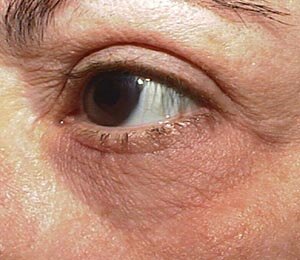
- Laser resurfacing is the technique of removing the outer skin to allow the skin revitalize and grow a new softer, younger and fresh skin. This treatment is also known as laser vaporization or laser peel and is commonly used to reduce fine lines, wrinkles, acne scars and blemishes.
Laser resurfacing procedure
- Preparation for the procedure is essential for best results. Prior to laser resurfacing procedure, the doctor advises on medication and supplement which should not be taken which may affect blood clotting at least for about 10 days before the procedure. Medication such as ibuprofen, Aspirin and vitamin E are among those to be avoided.
- The doctor may prescribe change of lifestyle such as to quit smoking prior to laser resurfacing procedure to facilitate quick healing. To prevent bacterial infection antibiotics are prescribed to create conducive environment for the procedure.
- Laser resurfacing involves directing of short pulsating beams of light on the skin with damages. The top layer of the skin pees off leaving the lower pink surface. The treated area is bandaged and cleaned 4-5 times a day. The doctor may give anesthesia or sedate you to ease the discomfort. A full face treatment may be given or specific areas affected by fine lines which includes the area around the eyes and mouth and the forehead. There are two common technologies of laser resurfacing;
-
CO2 laser
This is a high energy infrared beam of light which can be used for surgical incision or skin resurfacing. The beams of energy vaporizes outer layer of the skin removing it. The result is exposure of the underlying skin layer which is fresh and has no effects resulting from sun damage, acne or process.
-
Erbium laser
This is the use of less energy beams of laser resurfacing to treat desired areas affected by fine lines, wrinkles, acne scars among others. erbium laser may stimulate production of collagen tightening and smoothening the skin.
How long is the procedure and healing process?
A full face treatment takes 30-45 minutes depending on the doctor and the severity or depth of fine lines and wrinkles being treated. Healing process commences immediately but the timing varies from one person to the next. Your doctor will describe wound care which might involve cleaning the wound 4-5 times and use of ointment to prevent scabs from developing. Complete healing may take between 10-21days.
Benefits of laser resurfacing
- Soft sooth skin
- Reduction of acne scars
- Reduction or removal of fine lines and wrinkles
- Youthful, radiant and more beautiful skin
- A new look boosting self confidence
Complications resulting from laser resurfacing
- Scarring
- Bacterial infection
- Herpes cold sores reactivation
- Skin pigmentation may be affected
- Injuries resulting from laser heat
Who is best suited for laser resurfacing
- Laser resurfacing has best results on fairly light skin. Dark skinned people do not respond well with the treatment unless recommended by your doctor. People with active acne are not recommended to use laser resurfacing.
- People who have started developing fine lines or wrinkles on the fore head, around the eyes and mouth, shallow scars caused by acne are best suited for laser resurfacing.


